Showing posts with label 2ºBach. Show all posts
Showing posts with label 2ºBach. Show all posts
Sunday

Monday
Differences between DAMAGE, HURT, INJURE & HARM
Es fácil confundirse con estas cuatro palabras en #inglés.— Brendan 𝕯𝕸 Ryan 🇮🇪🇪🇸🇪🇺 (@BrendanDMRyan) June 8, 2020
Las diferencias entre ⤵️
1⃣Damage
2⃣Hurt
3⃣Injure
4⃣Harm
...explicadas en dos minutos pic.twitter.com/i5zUSDcPl7
Friday

Monday


Thursday
1º & 2º Bachillerato Dracula & Moby Dick
Macmillan Education has decided to share part of its resources to ensure learning remains as enjoyable as possible during the COVID-19 crisis.
Enjoy the reading and please, #StayHome to help #FlattenTheCurve.

Enjoy the reading and please, #StayHome to help #FlattenTheCurve.
Tuesday
2º Bach Unit 6 Passive (2) Impersonal & Causative
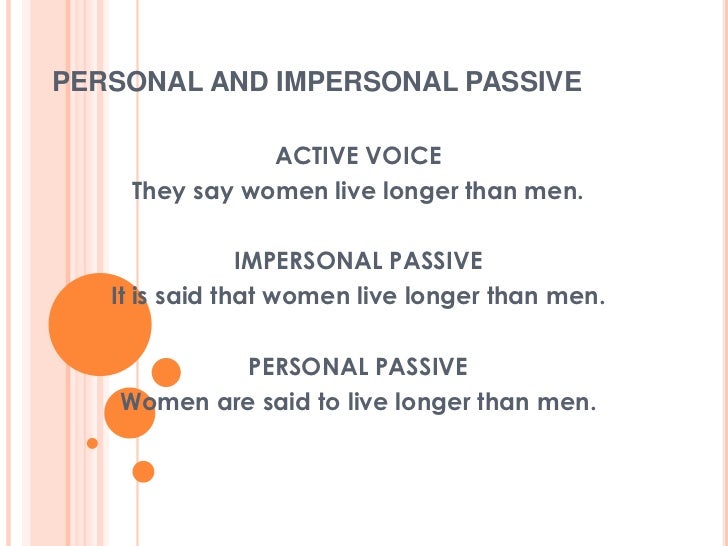

Impersonal Passive en español con ejercicios

Causative Passive en español
Exercise 1. Quiz. Exercise 2. Online quiz.Exercise 3. Choose the right answer. Exercise 4. Complete
Exercise 5. Rewrite the sentence. Exercise 6. Follow the example 1.
Exercise 7. Follow the example 2. Exercise . Let / Make / Have / Get

Monday
2º Bach Comparatives Unit 6


COMPARATIVES AND SUPERLATIVES
- We use more.... for adverbs that end in -ly: more slowly, more quietly
- You can use -er or more... with some two-syllable adjectives, especially: quiet, clever, narrow, shallow, simple
- IRREGULAR COMPARATIVES: good/well > better, bad/badly > worse, far > further/farther
- FURTHER & FURTHEST meaning 'more' or 'additional': Let me know if you hear any further news
- Before comparatives, you can use QUANTIFIERS such as: much, a lot, far, a bit, a little, slightly (He's much / slightly taller than his sister). Other forms to quantify the comparison are: far less, far more, much less, much more.
- You can use any, no + adjective in the comparative form. Ex. I'm not waiting any longer.
- Two comparatives of superiority connected by and meaning 'CADA VEZ MÁS'. Ex. The situation is becoming harder and harder.
- 'CUÁNTO MÁS..., MÁS...' >>> The sooner, the better.
- Difference between 'older' and 'elder' // 'oldest' and 'eldest' (remember: an elderly lady).
- COMPARATIVE OF EQUALITY: so, as....as.... Fernando Alonso is as fast as the wind.
- COMPARATIVE OF INFERIORITY: less....than... My cousin is less intelligent than my sister.
- Difference between LESS & FEWER. Examples: I've got less money than you. A bicycle has got fewer wheels than a bus.
- Some interesting collocations: the same as, different from, similar to
- We use the most.... to form the superlative form of adverbs that end in -ly or longer adjectives: the most slowly, the most quietly, the most intelligent
- You can use the expression by far to emphasize the superlative: He is the best tennis player by far!
- After superlatives we use in with places (the longest river in the world) and of for a period of time (the happiest day of my life)
- ABSOLUTE SUPERLATIVE meaning 'very'. The book you lent me was most interesting.

- The + comparatives - exercises
- Equality, superiority, inferiority
- Adjectives - degrees of comparison
- Prague: comparative and superlative
- Comparison of adjectives
- Comparative and superlative
- Comparative or superlative 1
- Comparative or superlative 2
- Comparisons: adjectives - adverbs
- Comparative and superlative
- Adjectives and adverbs
- The comparison of adjectives
- Comparison : adjectives - adverbs
- Mixed adjectives - exercises
- Irregular adjectives

2º Bach Unit 6 Passive Voice


Passive Activities and Charts
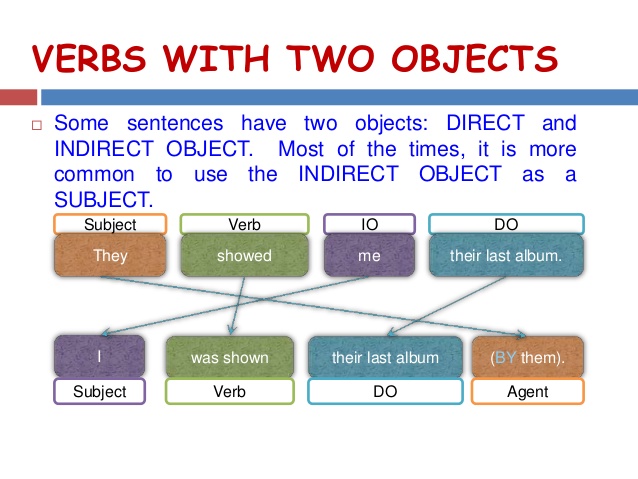 Two objects in an active sentence – two possible passive sentences
When there are two objects in an active sentence, there are two possible active sentences and two possible passive sentences.
- Sentence 1: The professor gave the students the books.
- Sentence 2: The professor gave the books to the students.
There are two objects in each of the following sentences:
- Object 1 = indirect object → the students
- Object 2 = direct object → the books
An indirect object is very often a person, a direct object a thing. When a direct object is followed by an indirect one, we put to in front of the indirect object.
Active sentence 1
| Subject | Verb | indirect Object | direct Object |
|---|---|---|---|
| The professor | gave | the students | the books. |
Active sentence 2
| Subject | Verb | direct Object | indirect Object with to |
|---|---|---|---|
| The professor | gave | the books | to the students. |
Each of the objects (books/students) in the active sentences can become subject in the passive sentence.
Passive sentence 1
| Subject | Verb | Object | (by-agent) |
|---|---|---|---|
| The students | were given | the books. | (by the professor). |
Passive sentence 2
| Subject | Verb | Object | (by-agent) |
|---|---|---|---|
| The books | were given | to the students | (by the professor). |
Ex 1 Ex 2 Ex 3
Causative & Impersonal Passive


Sunday

Wednesday
EVAU 2020
RESOLUCIÓN de 2 de diciembre de 2019, de la Directora General de Universidades y Enseñanzas Artísticas Superiores, por la que se da publicidad al Acuerdo de la Comisión Coordinadora de la Evaluación de Bachillerato para acceso a la Universidad, por el que se determinan las fechas de realización de las evaluaciones correspondientes al año 2020.


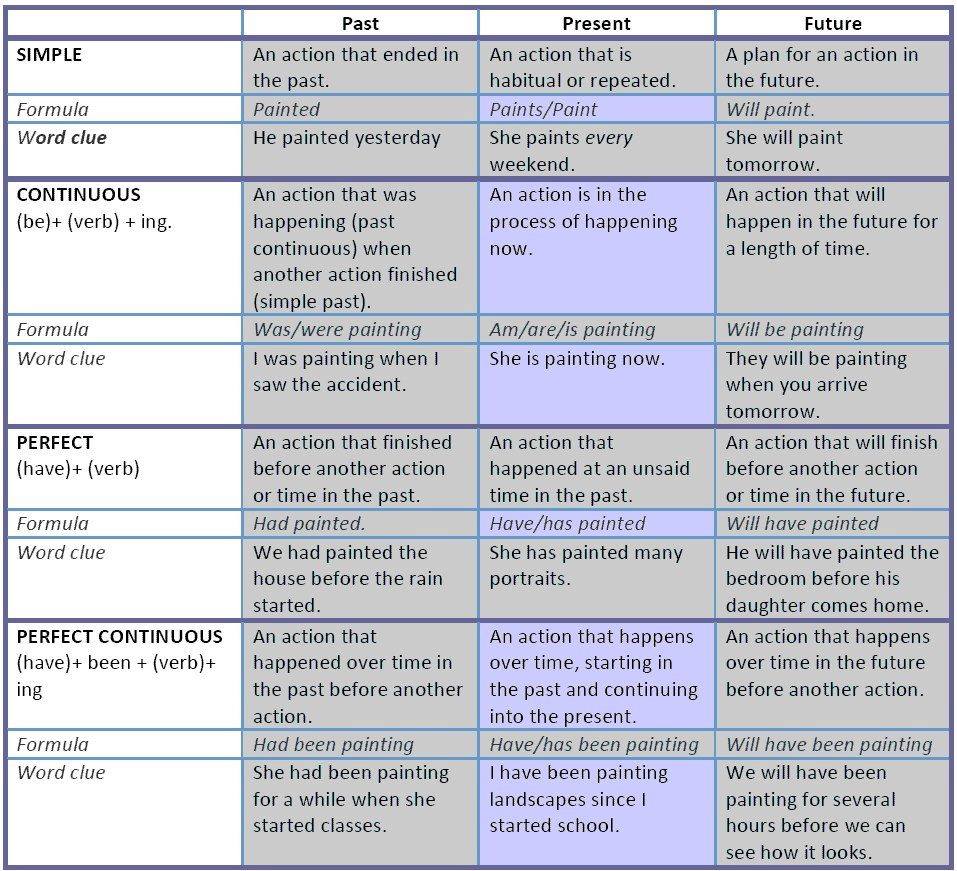
Verb Tenses Review
Un repaso de los tiempos verbales en dos minutos.— Brendan 𝕯𝕸 Ryan 🇮🇪🇪🇸🇪🇺 (@BrendanDMRyan) December 17, 2019
🚶♂️Estoy andando
🚶♂️Ando
🚶♂️Andaré
🚶♂️Anduve
🚶♂️Estaba/estuve andando
🚶♂️Estaré andando
🚶♂️He andado
🚶♂️He estado andando
🚶♂️Yo había andado
🚶♂️Yo había estado andando
🚶♂️Yo habré andado
🚶♂️Yo habré estado andando pic.twitter.com/ChF0danEVt
Tuesday
Sunday




Tuesday


Subscribe to:
Posts (Atom)