Showing posts with label grammar. Show all posts
Showing posts with label grammar. Show all posts
Friday

Sunday
Friday


Monday


Sunday
Trapped in the High School
Four secondary students have been trapped in the school since the COVID19 lockdown was imposed in Madrid. To help them you must pass the tests below. Good luck!
Tuesday
2º Bach Unit 6 Passive (2) Impersonal & Causative
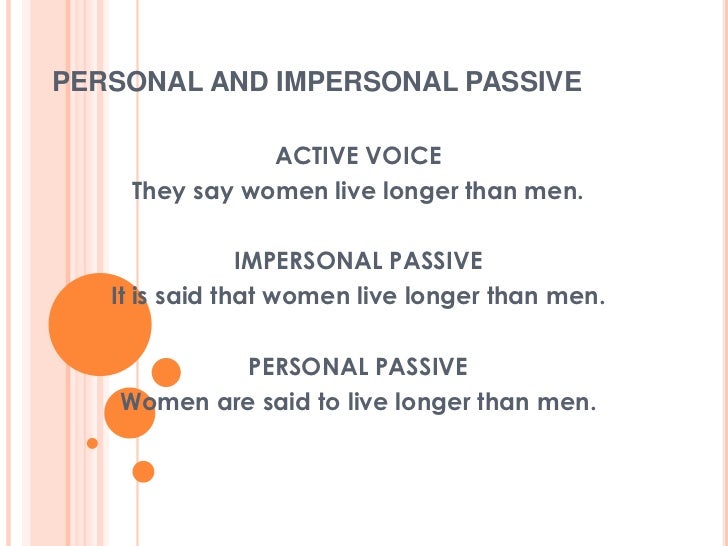

Impersonal Passive en español con ejercicios

Causative Passive en español
Exercise 1. Quiz. Exercise 2. Online quiz.Exercise 3. Choose the right answer. Exercise 4. Complete
Exercise 5. Rewrite the sentence. Exercise 6. Follow the example 1.
Exercise 7. Follow the example 2. Exercise . Let / Make / Have / Get
Sunday




Tuesday

Saturday


Tuesday
Unless, Providing, Provided That, And As Long As


Sunday
Gramática en español

It is never too late. Nunca es demasiado tarde para intentar aprobar inglés en bachillerato. Se necesita aplicar una dedicación constante, sostenida en el tiempo, organizada y comprometida.
 Elegid uno de los cursos propuestos y dedicadle una hora diaria, los fines de semana que podáis aumentad el tiempo de estudio.
No hay poción mágica, no hay hechizo ni conjuro que os ayude a aprobar si no ponéis vuestro tiempo y esfuerzo a trabajar en esa dirección. Go for it!! 👍🏆
Apuntes organizados en 50 lecciones en español
Repaso para 1º de bachillerato. Apuntes, ejercicios y vídeos
Aprender Inglés Rápido y Fácil curso y ejercicios organizados por niveles.
Curso para bachillerato
El Blog para aprender inglés. Todas las lecciones.
Más apuntes de gramática en español

Wednesday
Conditionals

Do you want to know more? Click here
Rewriting conditional sentences
Rewriting conditional sentences 2
Friday
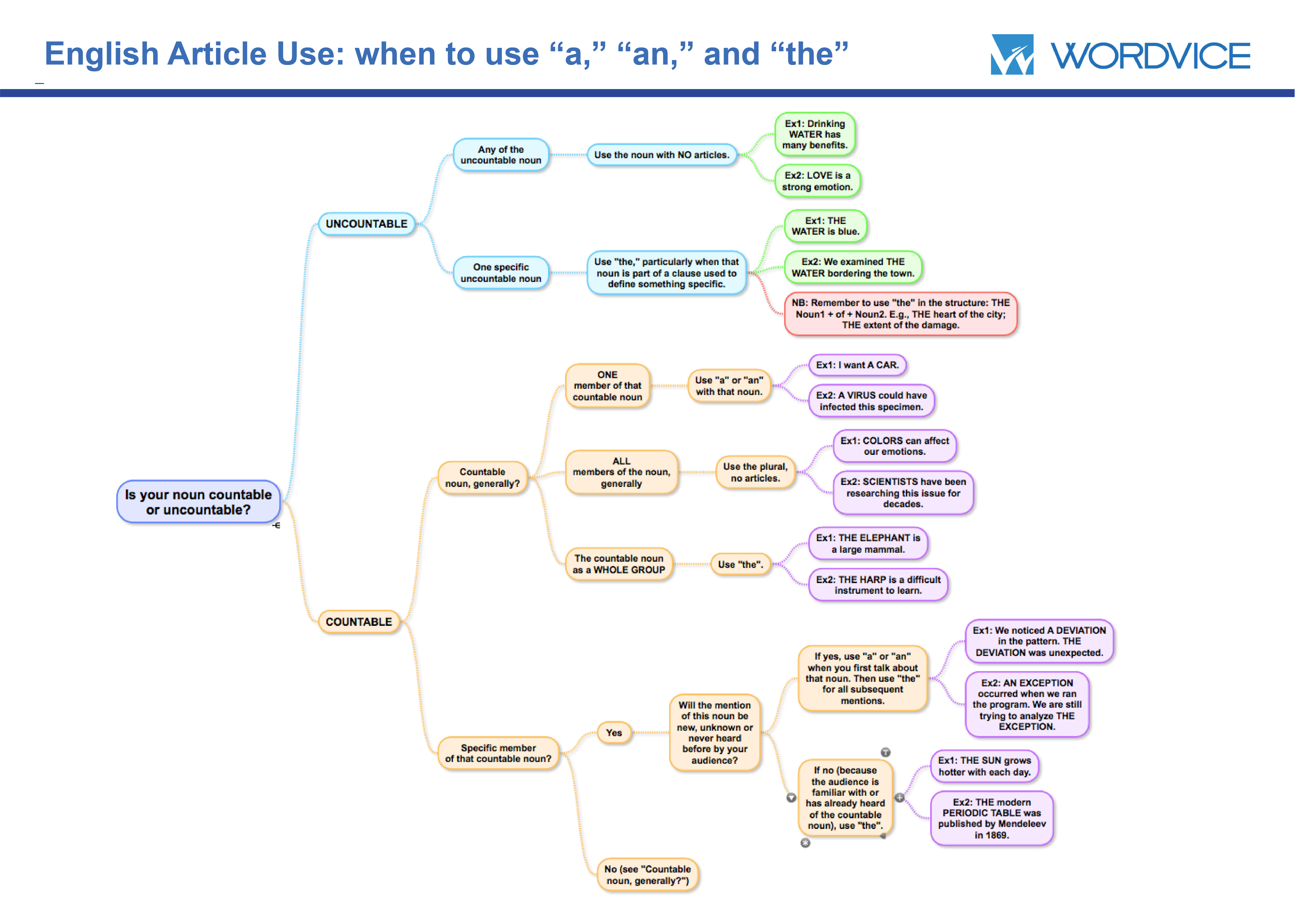
The Use of Articles
English has two articles: the and a/an.
The is used to refer to specific or particular nouns; a/an is used to modify non-specific or non-particular nouns.
We call the the definite article and a/an the indefinite article.
the = definite article a/an = indefinite article
For example, if I say, "Let's read the book," I mean a specific book.
If I say, "Let's read a book," I mean any book rather than a specific book.
Here's another way to explain it: The is used to refer to a specific or particular member of a group. For example, "I just saw the most popular movie of the year." There are many movies, but only one particular movie is the most popular. Therefore, we use the.
"A/an" is used to refer to a non-specific or non-particular member of the group. For example, "I would like to go see a movie." Here, we're not talking about a specific movie. We're talking about any movie. There are many movies, and I want to see any movie. I don't have a specific one in mind.
Let's take a closer look at the use of the articles in English.

General rules:
The is used to refer to specific or particular nouns; a/an is used to modify non-specific or non-particular nouns.
We call the the definite article and a/an the indefinite article.
the = definite article a/an = indefinite article
For example, if I say, "Let's read the book," I mean a specific book.
If I say, "Let's read a book," I mean any book rather than a specific book.
Here's another way to explain it: The is used to refer to a specific or particular member of a group. For example, "I just saw the most popular movie of the year." There are many movies, but only one particular movie is the most popular. Therefore, we use the.
"A/an" is used to refer to a non-specific or non-particular member of the group. For example, "I would like to go see a movie." Here, we're not talking about a specific movie. We're talking about any movie. There are many movies, and I want to see any movie. I don't have a specific one in mind.
Let's take a closer look at the use of the articles in English.
General rules:
- a/an before singular countable nouns mentioned for the first time
- a/an before some expressions of quantity
- the before proper nouns (eg rivers and mountain ranges)
- the before superlative adjectives
- the before singular countable nouns when we have a specific thing in mind
- no article before countries, languages, cities, etc
- no article before people or things in general

Tuesday
Gerunds and Infinitives
There is no quick and easy way to learn gerunds and infinitives. It takes years of practice and familiarity with the English language. Sorry about that! Over time, you will begin to use the right verb combination.
Basically, some verbs are followed by gerunds, some verbs are followed by infinitives, and some verbs can be followed by gerunds or infinitives. Native speakers do not think about the difference. But English learners have to memorize the hundreds of different verb combinations. Here are a few tips.
Basically, some verbs are followed by gerunds, some verbs are followed by infinitives, and some verbs can be followed by gerunds or infinitives. Native speakers do not think about the difference. But English learners have to memorize the hundreds of different verb combinations. Here are a few tips.
Tip Number 1: you almost always find a gerund after a preposition. For example, “She is afraid of flying.” In this sentence “of” is the preposition and “flying” is the gerund. You cannot say “She is afraid of to fly.” An infinitive cannot be the object of a preposition, only a gerund can. You could say, “She is afraid to fly,” but in this sentence, the preposition “of” is gone.
Tip Number 2: When you are talking about an activity, you usually use a gerund. For example, “I stopped smoking.” You can describe many activities by using “go” before a gerund. “Let’s go shopping,” or “We went skiing.”
Saturday
Grammar Revision Exercises

- Present Continuous
- Present Simple
- Present Simple or Continuous
- Past Simple
- Past Continuous
- Past Simple or Continuous
- Irregular Verbs
- Present Perfect
- Present Perfect Continuous
- Present Perfect or Present Perfect Continuous
- Present Perfect or Past Simple
- Past Perfect
- Past Perfect Continuous
- Past Review 1
- Past Review 2
- The Future - Going to
- The Future - Will
- Will or Going to
- The Future - present forms
- Will - other uses
- The Imperative
- The Passive
- The -ing form
- Can
- Could
- May/Might
- Should
- Should 2
- Must /Have to
- Zero Conditional
- First Conditional
- Second Conditional
- Third Conditional
- Wish
- Had better
- Used to
- Questions 1
- Questions 2
- Question tags
- Reported speech
- Reported speech 2
- Have something done
- Should have
- Can have / could have
- Will be doing
- Will have done
- Vocabulary Lessons
Grammar Revisions
Rephrasing Practice 1Rephrasing Practice 2Rephrasing Practice 3
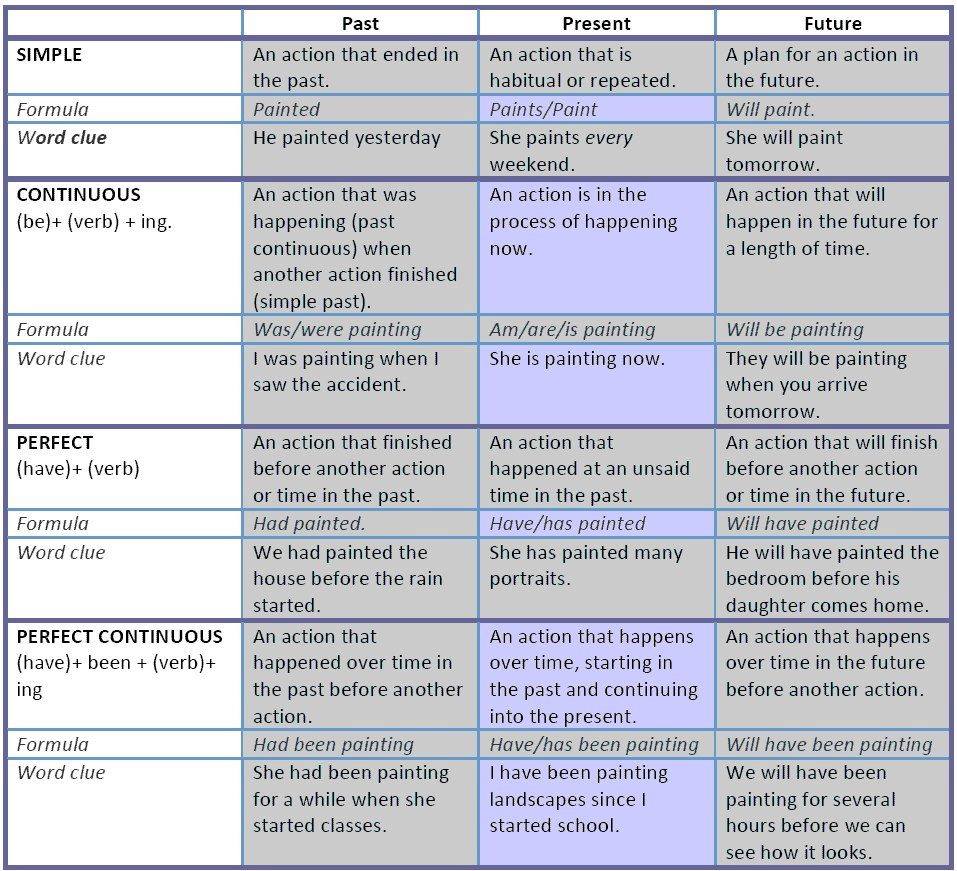
Tense Resources
Simple and Continuous Tenses
Cumulative Tense Review
Tense ChartQuestions
Used to
Direct and Reported Speech
Modal Verbs
Conditional Sentences
The Basics of the Passive Voice
The Passive Voice with reporting verbs
Have/ Get something done
Gerunds and Infinitives
The article
So and Such
The Comparison
Prepositional Phrases
Prepositions
Subscribe to:
Posts (Atom)